Bermuda vs. Maine Lobster: Key Differences
Food, Travel, Bermuda Cuisine, Seafood
Bermuda Spiny Lobster vs. Maine Lobster: What’s the Difference?
If you love lobster, visiting Bermuda during lobster season can feel a bit like discovering a delicious secret. But if you’re used to classic clawed Maine lobster, the first time you see Bermuda’s Caribbean spiny lobster on a plate, you might pause and think, “Where are the claws?” Let’s walk through what makes these two lobsters different, how that changes the way they’re cooked and served, and why Bermuda spiny lobster is absolutely worth planning a meal around—especially at Wahoo’s when it’s in season.
🌟 Meet the Two Stars: Spiny Lobster vs. Maine Lobster
First, let’s get our names straight.
The lobster you’ll find in Bermuda during season is the Caribbean spiny lobster, Panulirus argus. It’s sometimes simply called “Bermuda lobster” on local menus.
The lobster many North Americans know best is the American or Maine lobster, Homarus americanus, the shellfish celebrity of New England boils and lobster rolls.
Both are lobsters, both are delicious, and both have their own personalities on the plate.
🦞 How They Look: Shells, Antennae & Those Famous Claws
The most obvious difference hits you right away: spiny lobsters don’t have big front claws. Instead, they have long, sweeping antennae and a spiky, armored shell. Maine lobsters, on the other hand, are instantly recognizable by their oversized claws—one usually slightly bigger and knobbier than the other—that get banded as soon as they come out of the water.
Bermuda spiny lobster: No big claws, long antennae, and a smooth, slightly speckled shell with small spines. The tail is the main event for meat.
Maine lobster: Large, meaty claws, shorter antennae, and a chunkier body. There’s sweet meat in the tail, claws, and even the knuckles and legs.
Visually, they tell two different stories: Maine lobsters look built for cold, rocky waters and cracking shells at a summer boil, while Bermuda’s spiny lobsters look like they belong exactly where you find them—cruising warm, clear Caribbean and Atlantic waters over coral reefs.
🌊 Where They Live & When You’ll Find Them
Maine lobsters thrive in cold North Atlantic waters, especially along the New England and eastern Canadian coasts. They’re harvested year-round, though certain times of year bring softer shells and slightly different textures. Caribbean spiny lobsters, including those around Bermuda, prefer warm, tropical and subtropical waters. They’re found throughout the Caribbean Sea and nearby Atlantic, with Bermuda sitting at the northern edge of their range.
In Bermuda, spiny lobster is a seasonal treat. The local season is carefully managed to protect the population and the surrounding reef ecosystem. That means when you see Bermuda lobster on the menu at a place like Wahoo’s during season, you’re getting something fresh, local, and thoughtfully harvested—not an everyday commodity.
💡 Friendly Tip: If you’re planning a trip around lobster, check Bermuda’s spiny lobster season dates in advance, then book a table at Wahoo’s early. Locals and visitors alike look forward to it every year.
😋 Texture & Flavor: What Your Taste Buds Will Notice
So how do they actually taste? While both are unmistakably “lobster,” there are some noticeable differences once you take that first bite.
Bermuda Spiny Lobster: Firm, Meaty, and Built for the Grill
The meat of Panulirus argus is typically firmer and a bit denser than Maine lobster, especially in the tail. It still has a gentle sweetness, but with a slightly more robust, almost “meaty” bite. That firmer texture is exactly why spiny lobster shines when it hits the grill or a hot pan—it holds together beautifully, picks up smoky flavors, and doesn’t turn mushy when cooked with a bit of char or high heat.
Maine Lobster: Delicate, Buttery, and Perfect for Poaching
Maine lobster meat is often described as soft, tender, and buttery, especially in the claws. The tail has a firmer texture than the claws, but overall it’s more delicate than spiny lobster. This makes Maine lobster ideal for gentle cooking methods: steaming, poaching in butter, or folding into creamy lobster rolls and bisques where the meat can shine without being overworked.
🍽️ No Claws, New Possibilities: How Cooking & Serving Change
Let’s come back to the question that surprises many first-time visitors to Bermuda: Why doesn’t my lobster have claws? The answer is simple biology—spiny lobsters never had them in the first place. But in the kitchen, that one difference reshapes almost everything about how the lobster is prepared and presented.
Tail-Centered Cooking: The Star of the Show
With Bermuda spiny lobster, the tail is the main source of meat, supported by smaller amounts in the body and legs. That naturally leads chefs to focus their creativity on tail-forward dishes. Instead of cracking claws at the table, you’re more likely to see:
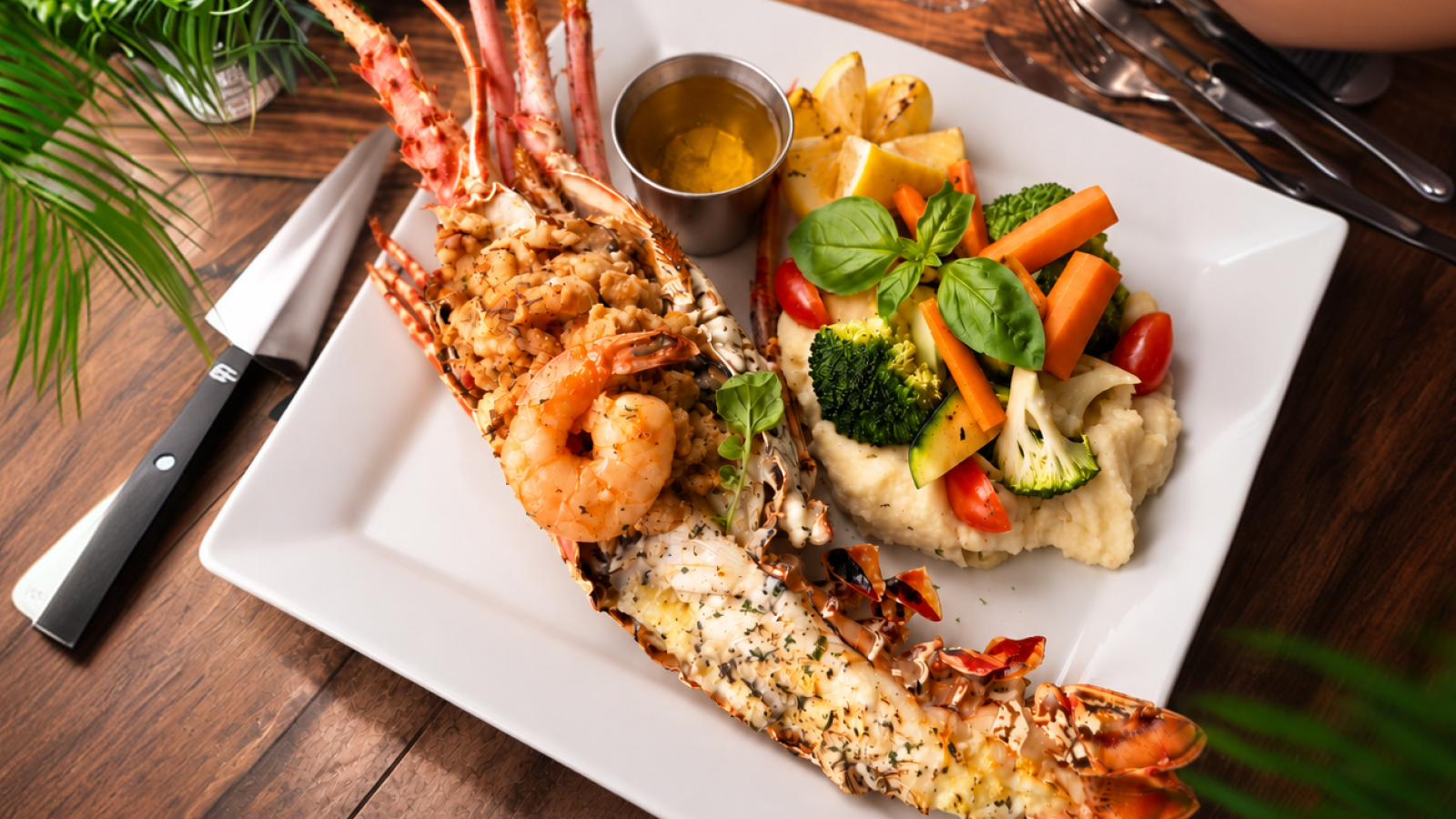
Tails split lengthwise and grilled with herb butter, garlic, and citrus.
Lobster tails baked with light breadcrumbs, fresh herbs, and a drizzle of local butter or olive oil.
Tail medallions sautéed and served over risotto, pasta, or island-inspired sides like peas ‘n’ rice.
Because the meat is firmer, it stands up well to grilling and roasting, picking up charred edges and smoky notes that pair beautifully with the sea breeze and a cool drink. At Wahoo’s, for example, you’ll often find spiny lobster prepared in ways that highlight that satisfying texture—think grilled tails with bright citrus and fresh island herbs, all while you’re overlooking the water in St. George’s.
Fewer Crackers, More Knives and Forks
With Maine lobster, the ritual of cracking claws is half the fun. You’re handed lobster crackers, picks, and a bib, and you dig into the claws, knuckles, and tail. With Bermuda spiny lobster, the experience is a little neater and more streamlined. Since the focus is on the tail, your server might bring you:
A split tail with the meat partially loosened for you.
A sharp knife and fork instead of a full toolkit of shell-cracking gear.
The result is still wonderfully hands-on—you’re definitely eating real, on-the-shell lobster—but the focus is more on savoring thick, flavorful bites than on hunting down every last shred of meat in tiny crevices. It feels a bit more like a composed seafood dish and a bit less like a roll-up-your-sleeves shellfish adventure, though there’s room for both styles on your culinary bucket list.
Cooking Methods That Make the Most of Spiny Lobster
Because of the absence of claws and the firmer tail meat, chefs approach Bermuda lobster a little differently than Maine lobster. You’re more likely to see:
Grilling: The go-to method in many island kitchens. The shell helps protect the meat from overcooking while the surface caramelizes beautifully.
Broiling or baking: High heat from the top or all around adds color and flavor, especially when paired with garlic butter, lemon, and fresh herbs.
Pan-searing: Tail medallions can be quickly seared and finished with a splash of wine or citrus for a bright, elegant plate.
Steaming and boiling are still options, of course, but many Bermudian chefs lean into methods that build flavor on the outside while keeping the inside juicy. That’s why a grilled spiny lobster at Wahoo’s, kissed by heat and brushed with seasoned butter, feels so perfectly at home with an ocean view and a pastel sunset overhead.
👏 Appreciating Spiny Lobster on Its Own Terms
It’s easy to fall into the trap of comparing everything to what you already know. If you grew up with Maine lobster, the first instinct might be to ask, “Is spiny lobster as good?” But that question misses the point. Bermuda spiny lobster isn’t a lesser version of Maine lobster—it’s a different lobster altogether.
🥩 Think of It Like Different Cuts of Steak—or Different Wines
Imagine comparing a ribeye steak to a filet mignon. Both are high-quality, both are delicious, and both have loyal fans. They just bring different textures and flavors to the table. Or think of comparing a crisp Sauvignon Blanc to a buttery Chardonnay. Neither is “better” in a universal sense—they’re simply different experiences, suited to different moods and meals.
The same mindset works beautifully for lobster. Maine lobster, with its delicate claw meat and classic New England associations, is perfect for buttery rolls, bisques, and simple steamed feasts. Bermuda spiny lobster, with its firm, grill-friendly tail and tropical home waters, shines in dishes that lean into bold flavors, open flames, and seaside dining.
📍 Freshness, Seasonality, and a Sense of Place
One of the biggest reasons Bermuda lobster feels so special has nothing to do with claws or tails and everything to do with where and when you’re eating it. Lobster pulled from local waters in season and cooked nearby has a freshness you can taste. There’s a sense of connection—to the fishermen, to the reef, and to the island itself—that you simply don’t get from frozen seafood shipped halfway around the world.
When you sit down at Wahoo’s with a plate of Bermuda spiny lobster in front of you, you’re not just comparing one crustacean to another. You’re tasting a moment in time and place: the season, the sea, and the way Bermudians have learned to celebrate this local catch over generations.
📌 Key Takeaway: Don’t think of Bermuda lobster as a stand-in for Maine lobster. Treat it as its own star, with its own best cooking methods, textures, and flavors to enjoy.
What to Expect When You Order Bermuda Lobster at Wahoo’s
If you’re lucky enough to visit Bermuda during spiny lobster season, Wahoo’s in St. George’s is one of the most welcoming places to try it. The atmosphere is relaxed and friendly, with views of the harbor and a menu that celebrates the island’s love of fresh seafood. Here’s what you can expect when you order Bermuda lobster there in season.
Seasonal Menus and Fresh Catches
Because local spiny lobster is so carefully managed, it doesn’t appear on the menu year-round. When it does, it’s a bit of an event. The team at Wahoo’s works with local suppliers to bring in fresh, in-season lobsters, often building specials around whatever is coming off the boats. That means your lobster is not only fresh, but also prepared in ways that make the most of the catch that week.
Grilled, Buttered, and Beautifully Simple
One of the joys of eating lobster in Bermuda is how uncomplicated it can be. A perfectly grilled spiny lobster tail doesn’t need a lot of fuss. At Wahoo’s, you might find it:
Split and grilled with garlic butter, lemon, and fresh herbs.
Served with island-inspired sides like rice, vegetables, or crispy potatoes.
Paired with a chilled glass of wine or a colorful cocktail that matches the pastel sky outside.
The focus is always on letting the lobster itself shine: firm, juicy, and kissed by just enough char and seasoning to bring out its natural sweetness.
A Friendly Place to Ask Questions and Try Something New
If you’re feeling unsure—maybe you’ve never had spiny lobster before, or you’re wondering how it compares to the Maine lobster you know—Wahoo’s is the perfect place to ask. The staff are used to curious visitors and are happy to explain how the lobster is prepared, what makes it different, and which dishes best highlight it. You can relax, enjoy the view, and feel confident you’re getting the full Bermuda lobster experience.
💬 Friendly Suggestion: When you sit down, let your server know you’re excited to try Bermuda lobster and ask how they recommend enjoying it that day. You’ll often get the inside scoop on specials or favorite preparations.
How to Enjoy Both Lobsters Without Picking a “Winner”
You don’t have to choose a forever favorite between Bermuda spiny lobster and Maine lobster. In fact, the best approach might be to appreciate each lobster in the setting where it shines the most.
Enjoy Maine lobster in classic New England style: steamed with drawn butter, tucked into a toasted roll, or folded into a creamy bisque.
Savor Bermuda spiny lobster grilled or roasted, with bright citrus, herbs, and the sound of waves nearby.
By letting each lobster be itself, you get to enjoy the full range of what the ocean offers—different textures, different flavors, and different memories tied to each place. There’s room at the table, and in your heart, for both.
Ready to Taste the Difference? Visit Wahoo’s During Lobster Season
If this has you picturing a grilled lobster tail, a pastel sunset, and a gentle sea breeze, you’re not alone. Bermuda’s spiny lobster season is one of the island’s quiet pleasures, and Wahoo’s is a warm, welcoming place to experience it. Whether you’re a long-time Maine lobster lover or brand-new to lobster altogether, trying Bermuda spiny lobster where it’s truly at home is a treat you’ll remember long after your trip ends.
So the next time you’re planning a getaway, consider timing your visit with lobster season. Reserve a table at Wahoo’s, settle in with a view of the water, and order the Bermuda lobster special. When your plate arrives—tail glistening, herbs fragrant, and that first bite waiting—you’ll understand exactly why this clawless, Caribbean cousin of Maine lobster deserves a place on your must-try list.
Different? Absolutely. Lesser? Not even close. Bermuda’s Caribbean spiny lobster is its own kind of wonderful—and there’s no better way to discover that for yourself than enjoying it fresh, in season, at Wahoo’s by the sea


